
Richard O. Williams, Ph.D.

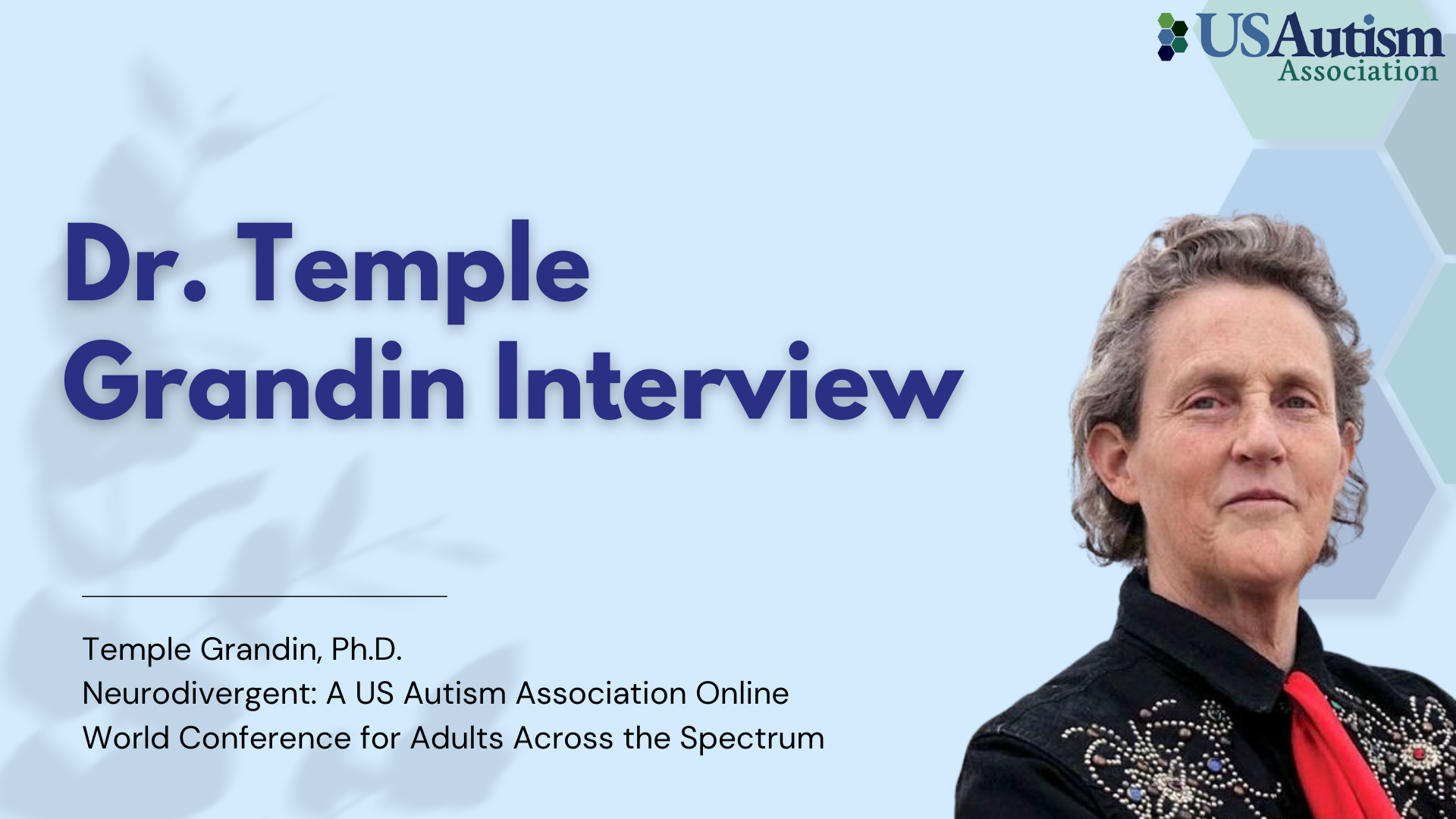
In this once-in-a-lifetime, exclusive interview, Temple Grandin shared with us at the US Autism Association some of her uniquely personal insights and reflections about her life as an adult on the autism spectrum. Recorded in October of 2024 for our online conference Neurodiversity, TempleDon’t miss this opportunity to get a new and more personal insight into the amazingly neurodivergent life and work of Dr. Temple Grandin!
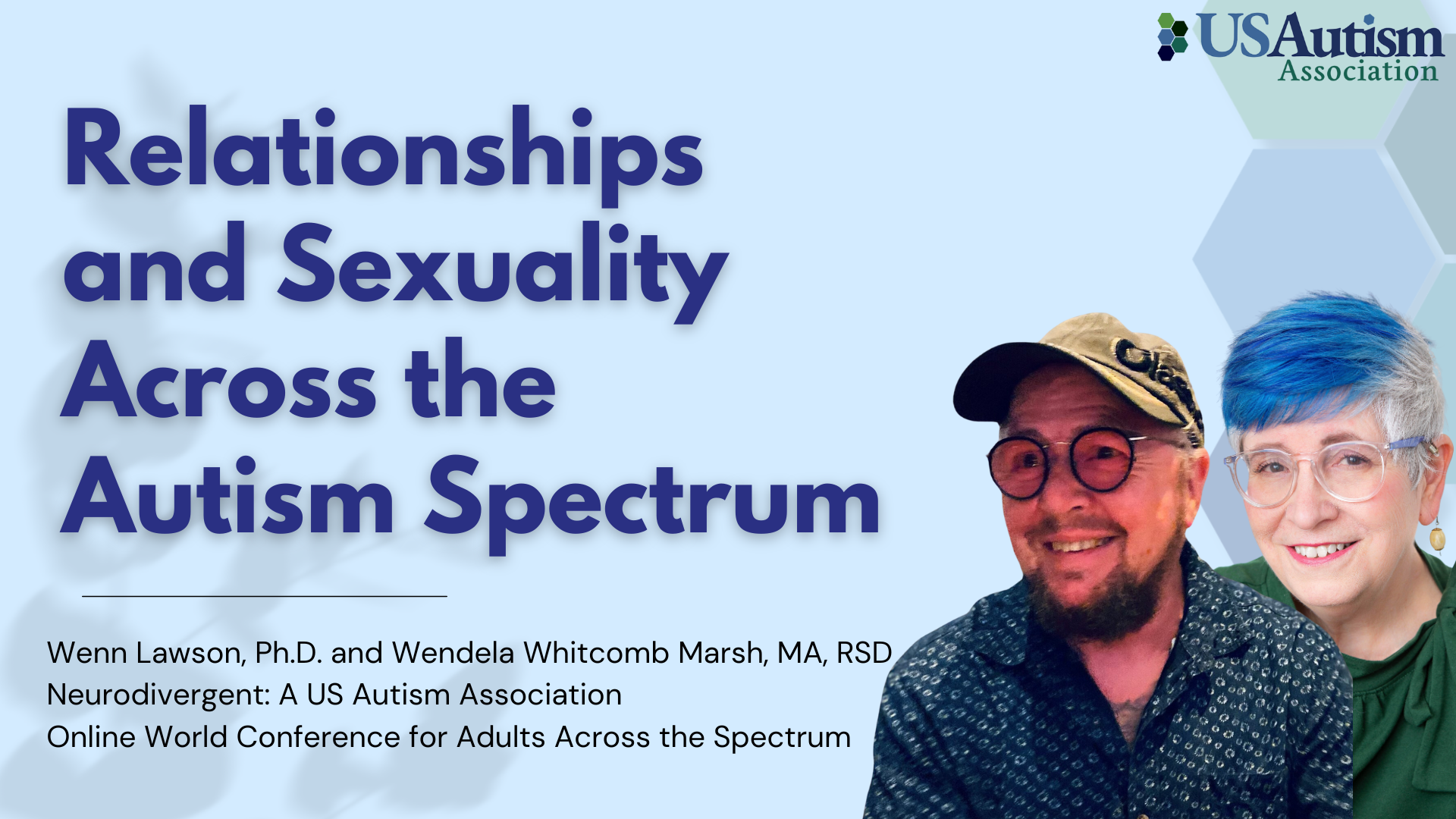
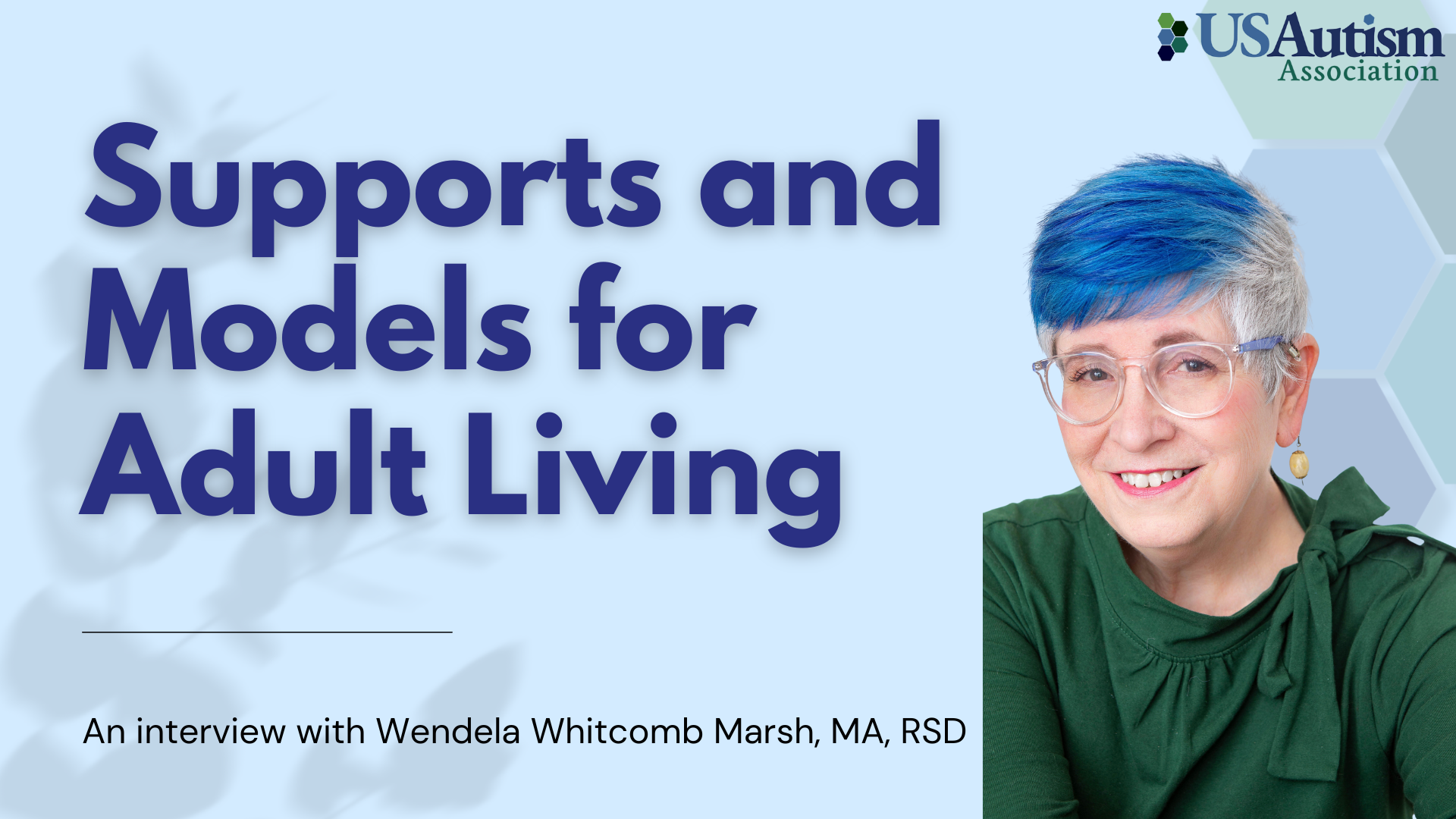
Experts Wenn Lawson and Wendella Marsh talk openly and without reservation about the very important topic of relationships and sexuality for adults across the autism spectrum. Within a discussion that highlights the importance of self awareness and acceptance, open communication, safety and vulnerability, gender fluidity, and sexual diversity, this session debunks a number of myths and offers useful information and hope for individuals at any stage of their "relationship journey."
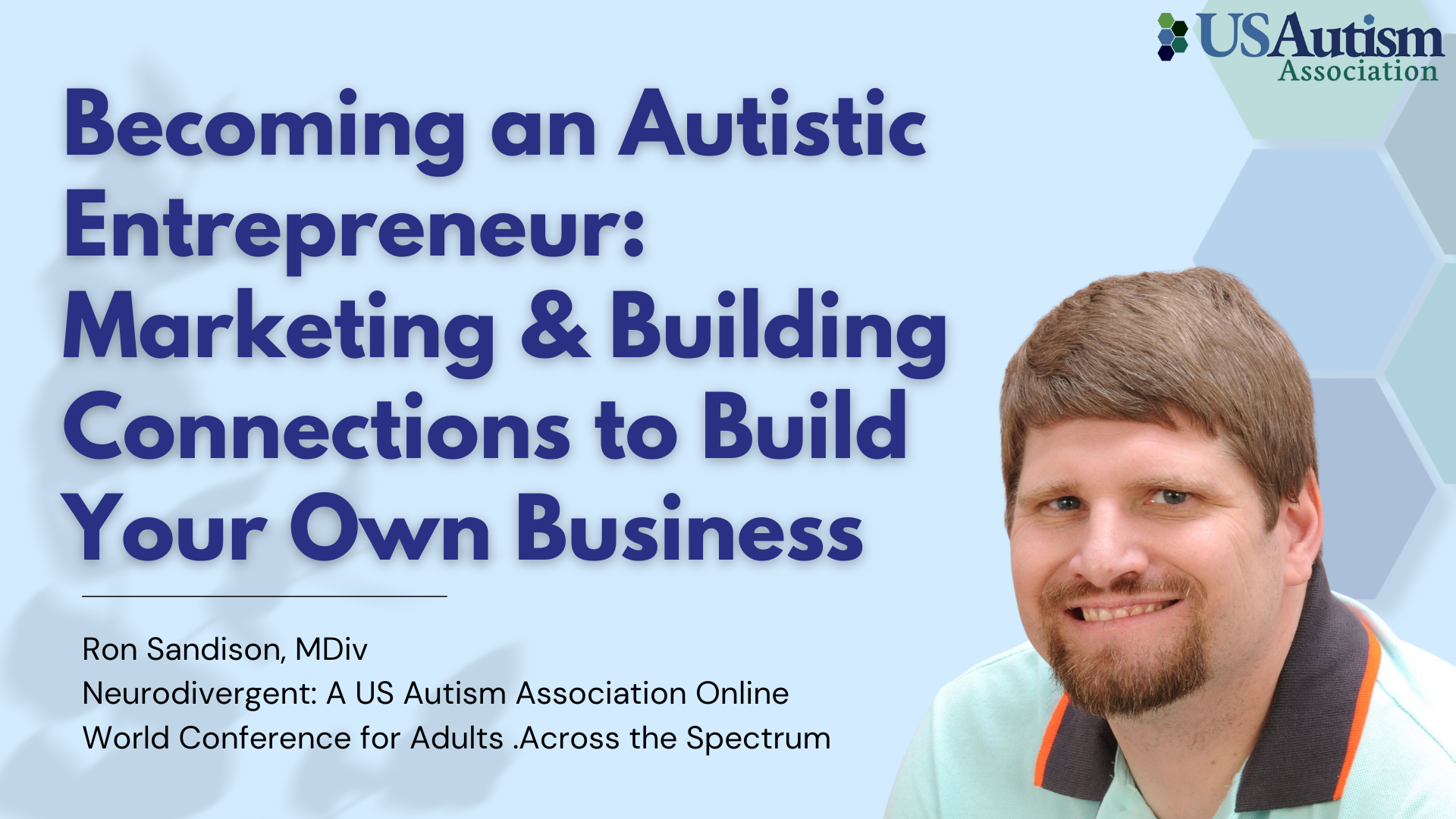
Currently in the U.S 80% of people with autism are unemployed or underemployed. Becoming an entrepreneur can help these individuals enjoy employment as their own boss and to use their unique abilities to impact the world. Professionals and educators will learn to empower people with autism and other disabilities to develop entrepreneur skills. Sandison teaches practical ways to build connections, market a business, and get first on Google. Individuals with autism will learn to use their strengths to accommodate for limitations, find a mentor, strength connections by the ability to delight clients, and pursue new opportunities. During the past 7 years, Ron has spoken live to 250,000 people, published three nationally books, and his nonprofit Spectrum Inclusion receives 10,000 views a month. Sandison shares the knowledge he gained from interviewing autistic entrepreneurs while writing his fourth book Autism, Growth & Transitioning into Adulthood.

In this session, Dr. Phillip Demio, biomedical physician and US Autism Advisory Board Member shares his wealth of expertise on the topic of the relationship between autism and a number of physical and psychiatric medical conditions. In a discussion that covers gastro-intestinal function, diabetes, seizures, autoimmune disorders, and susceptibility to a host of opportunistic infections and diseases, Dr. DeMio draws useful connections between several medical conditions and "autistic functioning." He then provides recommendations for individuals who either don't feel well physically or find themselves unable to function as well as they would like to due to medical or psychiatric symptoms.
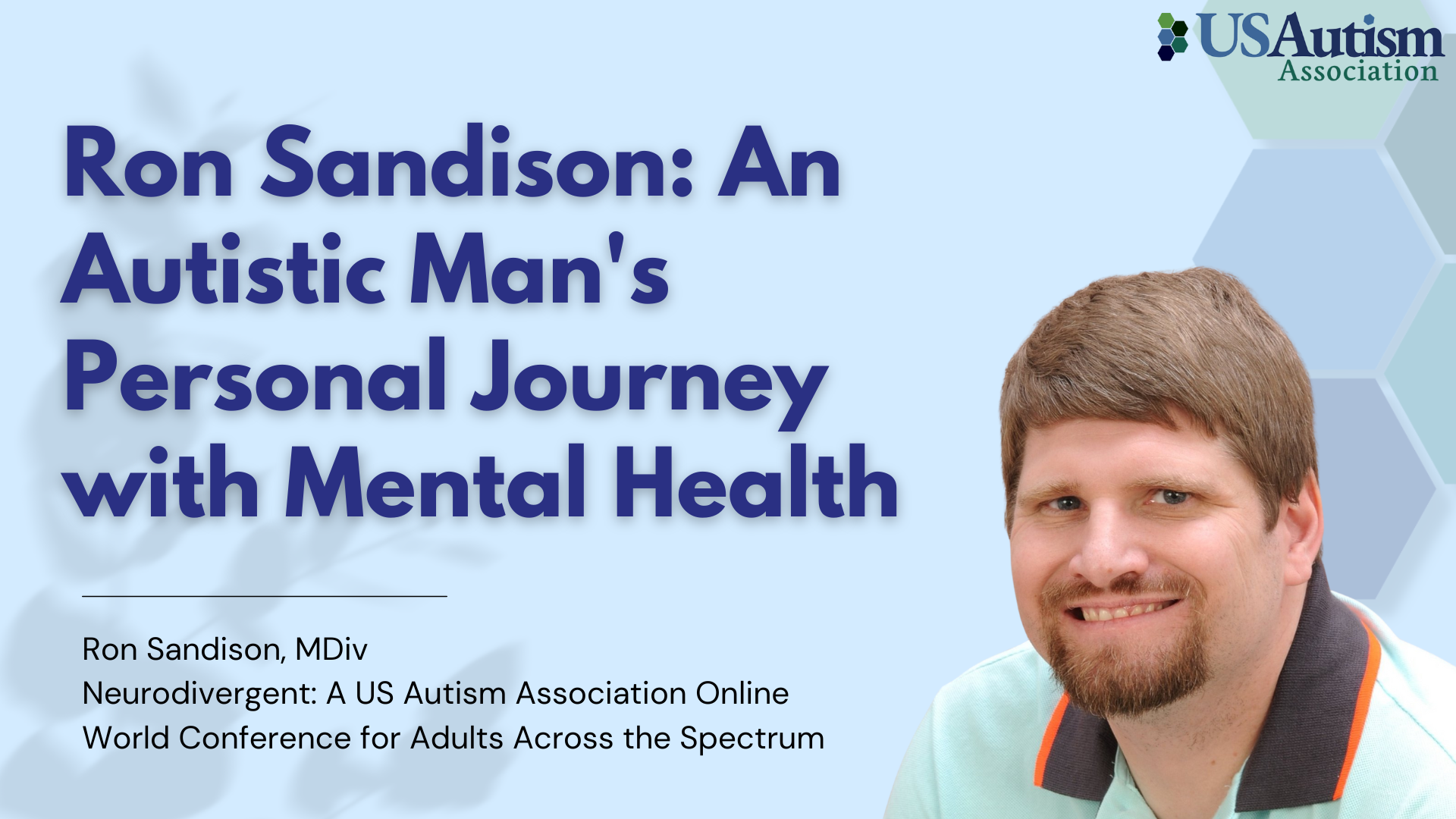
In this in-depth, candid, and deeply personal interview with world-renowned autism expert and self-advocate Ron Sandison, Ron shares stories about some of his own mental health challenges with useful understanding and insight for those who struggle. Covering topics that include being bullied and assaulted by peers as a child and teen, to coping with anxiety, depression, addiction,, and even suicidal thoughts as an adult, Ron gives hope and practical advice for addressing mental health in autistic adults.

In a much-anticipated event, and one that has been in the works for over a year, please join us to welcome Dr. Stephen Shore, Rob Bernstein, and US Autism Association's Dr. Marlo Payne Thurman as they host world-renowned speaker, author, and therapist Tony Attwood on the topic of Cognitive Behavioral Therapy for the treatment of autism.
In a much-anticipated event, and one that has been in the works for over a year, please join us to welcome Dr. Stephen Shore, Rob Bernstein, and US Autism Association's Dr. Marlo Payne Thurman as they host world-renowned speaker, author, and therapist Tony Attwood on the topic of Cognitive Behavioral Therapy for the treatment of autism.

“Part of the beauty of Bernstein Cognitive Method for Autism is its simplicity: it evaluates and works with children in their everyday environments.” “Departing from the traditional behavioral approach to working with children with autism, Bernstein’s method seeks to understand and modify thinking processes...” Stephen Shore

EXCLUSIVE interview discussing the new film Ezra, led by US Autism Speaker and renowned film director Ron Zimmerman. He will discuss the film with: Tony Spiridakis- Ezra Writer, Tony Goodwin- Ezra Director, and Elaine Hall- Ezra Autism Consultant.

In this session, Dr. BG Mancini and US Autism President Dr. Marlo Payne Thurman share their combined expertise on the topic of wellness in autism. Beginning with heightened sensory responding and carrying through to cover interoception and reactivity within Porges' polyvagal theory, this session explains how disruption along the gut-brain continuum affects physical, social, behavioral, and even cognitive wellness, with recommendations for treatment.

In this session Amir Arami, founder of Verbal Autism, shares how his personal journey through a traumatic brain injury led to the creation of a revolutionary online app to facilitate individualized communication for individuals who are non speaking and on the autism spectrum.

Patty Laushman, director and head coach at Thrive Autism Coaching, shares advice on supporting and raising autistic teens and young adults. She discusses how to communicate in engaging ways, support in ways that can deepen parent/child relationships, and set boundaries that support your own quality of life.

Do you love or work with someone on the autism spectrum who makes sounds but does not (reliably) use spoken words to communicate? Kate will show you, step by step, how to ignite language lift-off - without pushing or pressuring. If you want help turning sounds into words and single words into two-word phrases, this is for you.

In this session Kara Darling, the clinical administrator for Lighthouse Complex Care, shares her simple and easy to understand roadmap for diagnosing and treating the various medical comorbidities that often occur alongside the autism spectrum.

This session is designed to empower both parents and professionals with the knowledge and tools needed to nutritionally support children on the autism spectrum. This presentation focuses on the intersection of nutrition and sensory needs, providing actionable strategies for improving dietary variety and nutritional intake in a way that respects and accommodates unique sensory preferences.

Continuing into its second season, this Approaches to Autism session features Dr. Stephen Shore and Rob Bernstein in an interview with Dr. Winnie Dunn on the topic of Occupational Therapy. Dr. Dunn is a Distinguished Professor of Occupational Therapy Education and an internationally recognized expert for her studies about sensory processing in everyday life.

When families receive the diagnosis of Autism, they often become engulfed in a sea of unknown variables with no clear guidelines or tangible map. They ask what the future will look like for their family, the parents, the child with autism, the siblings. Relationship based Dynamic Intelligence Program (RDI (TM)) looks at this dilemma from a perspective that families are designed to live their lives together, where they find support for the emotional hills and valleys that are specific to the lives they lead.
Richard O. Williams has a Ph.D., from the University of California, Berkeley, and an M.S., from George Washington University, Washington DC. He spent 25 years in the medical sciences in academia, doing research and teaching at the University of London, the Pasteur Institute, Paris, France, the University of Karlsruhe, Germany, and the World Health Organization in Africa. He is the author of 85 peer-reviewed research articles on the molecular genetics and microbiology of infectious diseases. His interest in the world of autism started with his daughter, who was adopted in 1979 from Thailand at the age of two. Her lack of eye contact and significantly delayed speech were cause for concern for numerous professionals, but none provided a diagnosis. She began to talk only after her first-grade teacher mused that she might not be talking at the age of 6, but it was time to start teaching her to read anyway. As she learned to read, she began to talk. Her speech ability grew at the same rate as her reading developed. It was clear, however, that there were issues about carrying on a fluid conversation. At the age of 8 she was diagnosed with Asperger’s syndrome.
Following the struggles of dealing with learning disabilities and impatient teachers, Dr. Williams began researching the subject of learning disabilities while at the same time the usual ASD child advocacy struggles began. After his personal intervention in many schools, his daughter finished high school with a mixture of good and bad grades. College was uncertain, but clearly, there were underlying abilities that made it potentially possible if the right setting and school could be found. Throughout the development of his daughter, Dr. Williams read all that could be found on child development and developmental delays. At no time were Autistic Spectrum Disorders considered until a small, unaccredited college, Beacon College, was located in Leesburg, Florida. Beacon College works specifically with students with learning disabilities, ADD, and autism. Dr. Williams was impressed with the approach, the administration, and especially the teachers. His daughter attended and graduated in 4 years with a Bachelors degree in Human Services from Beacon College. Following her graduation, his daughter stayed on at the school to work in the school library while Dr. Williams was elected to the Board of Trustees of Beacon College. As chairman of the Board, he oversaw the full accreditation of the College, the development of new curricula, and worked with the administration to expand the school and, importantly, the degree offering. Following his retirement from the Board after 12 years, he devoted his time to researching the subjects of ASD and learning disabilities. The background was an excellent match when he met his coauthor, Jeffery Freed. Freed had a clinical and counseling background on the subject of ASD, had published on the subject before, while Williams had a recent research background in ASD along with a career in the medical sciences.