


Welcome to the US Autism Association’s Video Streaming Library.
100+ streaming sessions, just a click away.
Welcome to one of the largest autism-focused streaming libraries in the world.
Featured Videos
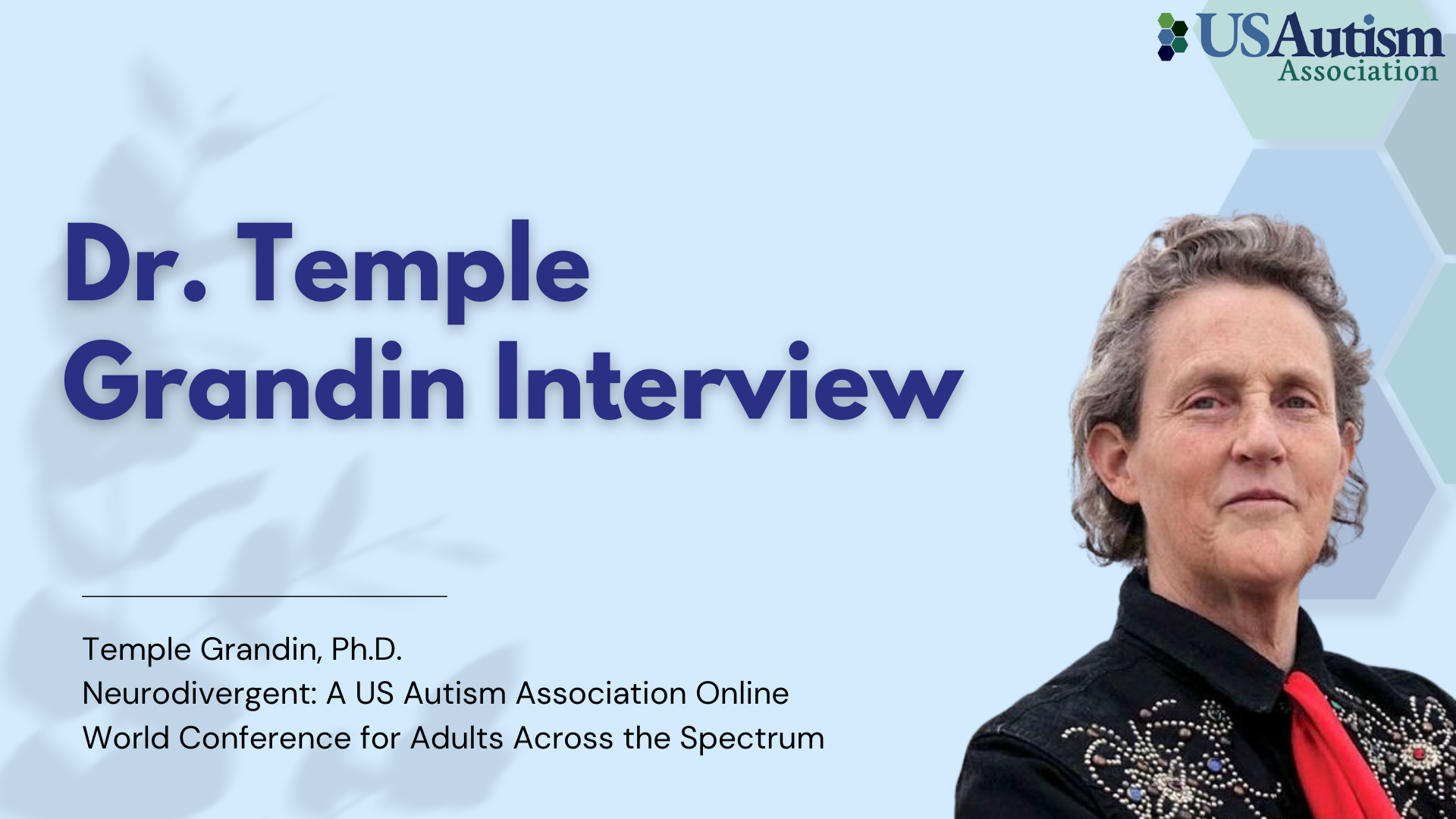
In this once-in-a-lifetime, exclusive interview, Temple Grandin shared with us at the US Autism Association some of her uniquely personal insights and reflections about her life as an adult on the autism spectrum. Recorded in October of 2024 for our online conference Neurodiversity, TempleDon’t miss this opportunity to get a new and more personal insight into the amazingly neurodivergent life and work of Dr. Temple Grandin!
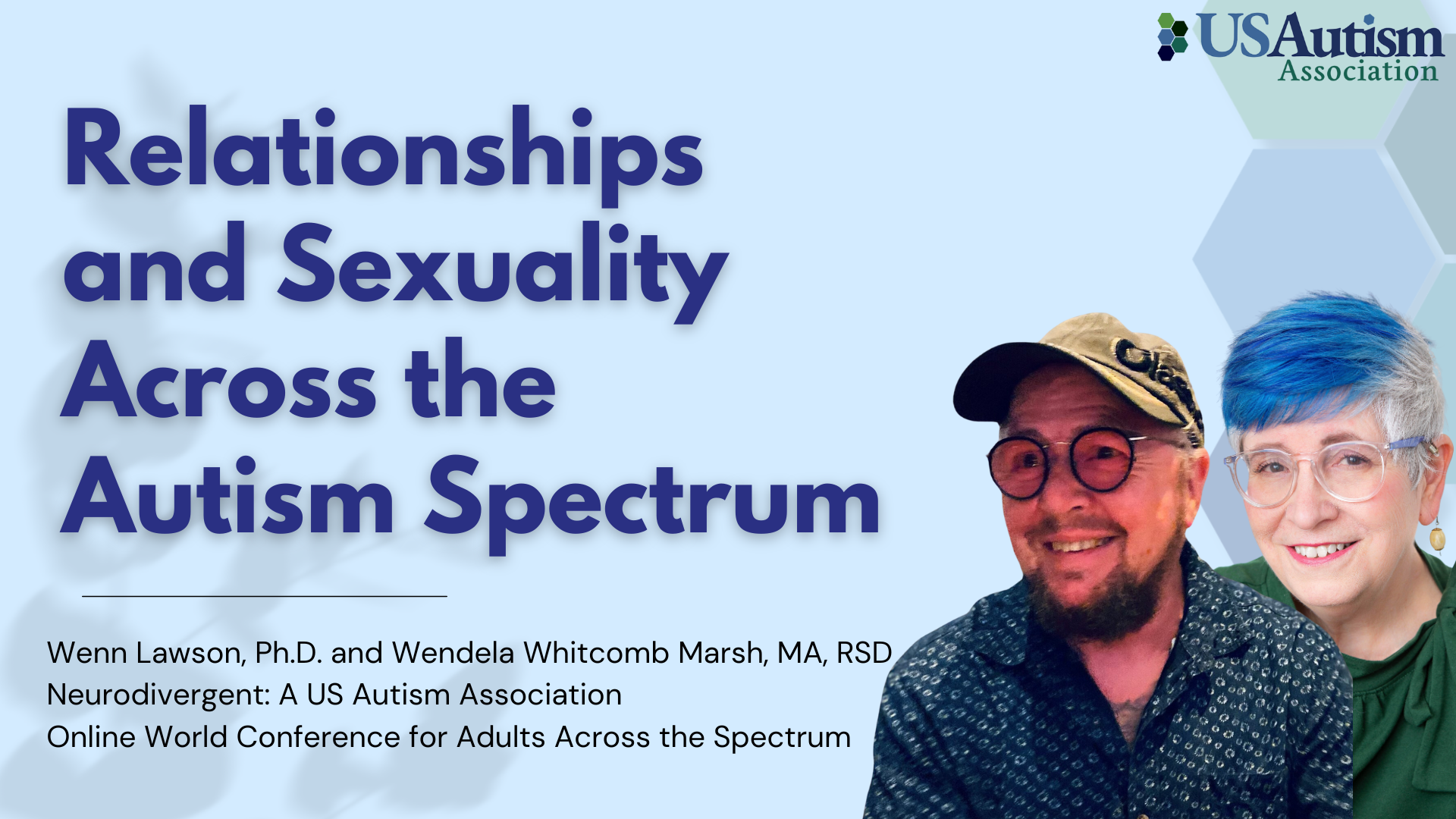
Experts Wenn Lawson and Wendella Marsh talk openly and without reservation about the very important topic of relationships and sexuality for adults across the autism spectrum. Within a discussion that highlights the importance of self awareness and acceptance, open communication, safety and vulnerability, gender fluidity, and sexual diversity, this session debunks a number of myths and offers useful information and hope for individuals at any stage of their "relationship journey."
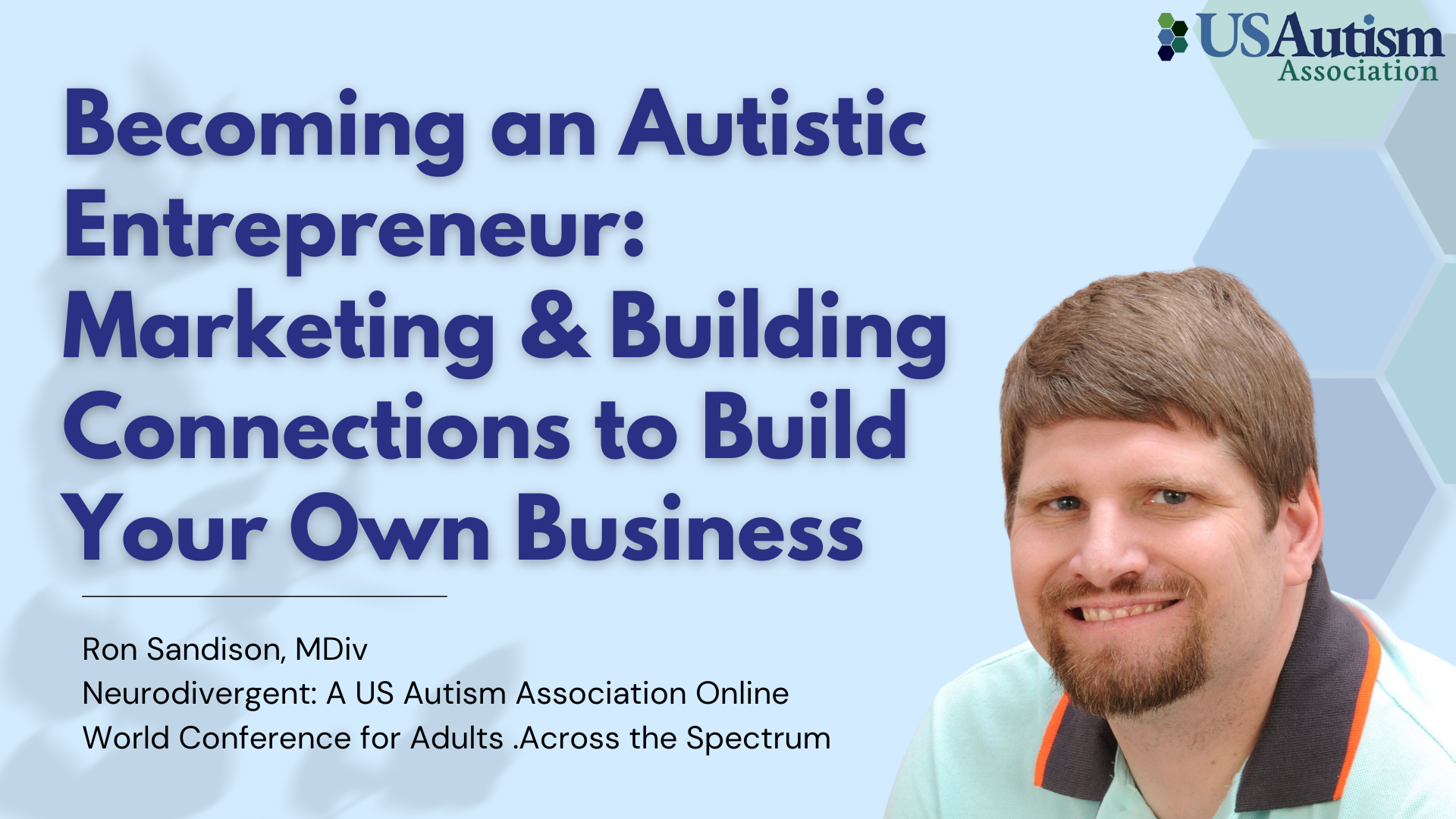
Currently in the U.S 80% of people with autism are unemployed or underemployed. Becoming an entrepreneur can help these individuals enjoy employment as their own boss and to use their unique abilities to impact the world. Professionals and educators will learn to empower people with autism and other disabilities to develop entrepreneur skills. Sandison teaches practical ways to build connections, market a business, and get first on Google. Individuals with autism will learn to use their strengths to accommodate for limitations, find a mentor, strength connections by the ability to delight clients, and pursue new opportunities. During the past 7 years, Ron has spoken live to 250,000 people, published three nationally books, and his nonprofit Spectrum Inclusion receives 10,000 views a month. Sandison shares the knowledge he gained from interviewing autistic entrepreneurs while writing his fourth book Autism, Growth & Transitioning into Adulthood.

In this session, Dr. Phillip Demio, biomedical physician and US Autism Advisory Board Member shares his wealth of expertise on the topic of the relationship between autism and a number of physical and psychiatric medical conditions. In a discussion that covers gastro-intestinal function, diabetes, seizures, autoimmune disorders, and susceptibility to a host of opportunistic infections and diseases, Dr. DeMio draws useful connections between several medical conditions and "autistic functioning." He then provides recommendations for individuals who either don't feel well physically or find themselves unable to function as well as they would like to due to medical or psychiatric symptoms.
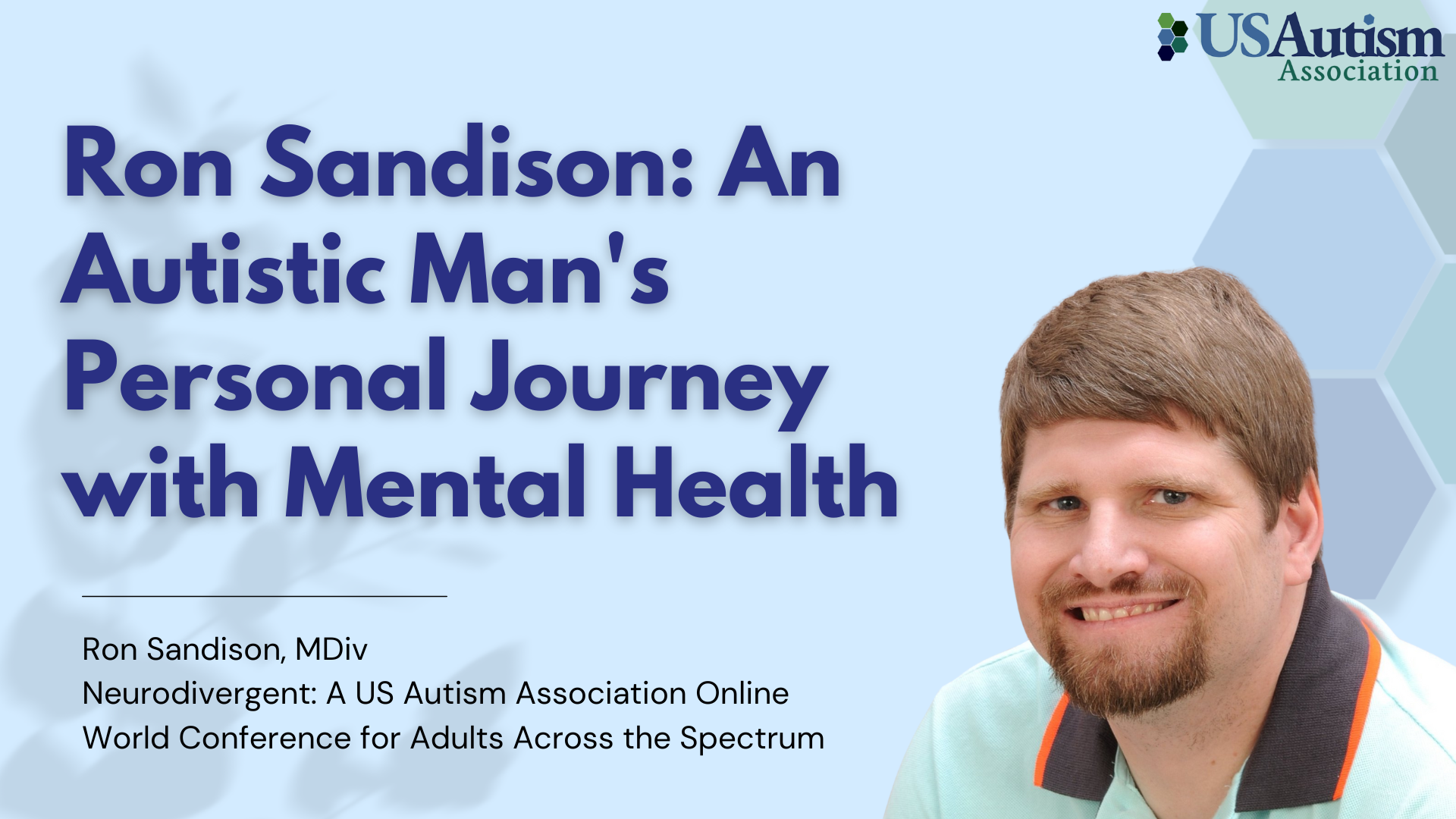
In this in-depth, candid, and deeply personal interview with world-renowned autism expert and self-advocate Ron Sandison, Ron shares stories about some of his own mental health challenges with useful understanding and insight for those who struggle. Covering topics that include being bullied and assaulted by peers as a child and teen, to coping with anxiety, depression, addiction,, and even suicidal thoughts as an adult, Ron gives hope and practical advice for addressing mental health in autistic adults.

In a much-anticipated event, and one that has been in the works for over a year, please join us to welcome Dr. Stephen Shore, Rob Bernstein, and US Autism Association's Dr. Marlo Payne Thurman as they host world-renowned speaker, author, and therapist Tony Attwood on the topic of Cognitive Behavioral Therapy for the treatment of autism.
In a much-anticipated event, and one that has been in the works for over a year, please join us to welcome Dr. Stephen Shore, Rob Bernstein, and US Autism Association's Dr. Marlo Payne Thurman as they host world-renowned speaker, author, and therapist Tony Attwood on the topic of Cognitive Behavioral Therapy for the treatment of autism.

“Part of the beauty of Bernstein Cognitive Method for Autism is its simplicity: it evaluates and works with children in their everyday environments.” “Departing from the traditional behavioral approach to working with children with autism, Bernstein’s method seeks to understand and modify thinking processes...” Stephen Shore

EXCLUSIVE interview discussing the new film Ezra, led by US Autism Speaker and renowned film director Ron Zimmerman. He will discuss the film with: Tony Spiridakis- Ezra Writer, Tony Goodwin- Ezra Director, and Elaine Hall- Ezra Autism Consultant.

In this session, Dr. BG Mancini and US Autism President Dr. Marlo Payne Thurman share their combined expertise on the topic of wellness in autism. Beginning with heightened sensory responding and carrying through to cover interoception and reactivity within Porges' polyvagal theory, this session explains how disruption along the gut-brain continuum affects physical, social, behavioral, and even cognitive wellness, with recommendations for treatment.

In this session Amir Arami, founder of Verbal Autism, shares how his personal journey through a traumatic brain injury led to the creation of a revolutionary online app to facilitate individualized communication for individuals who are non speaking and on the autism spectrum.

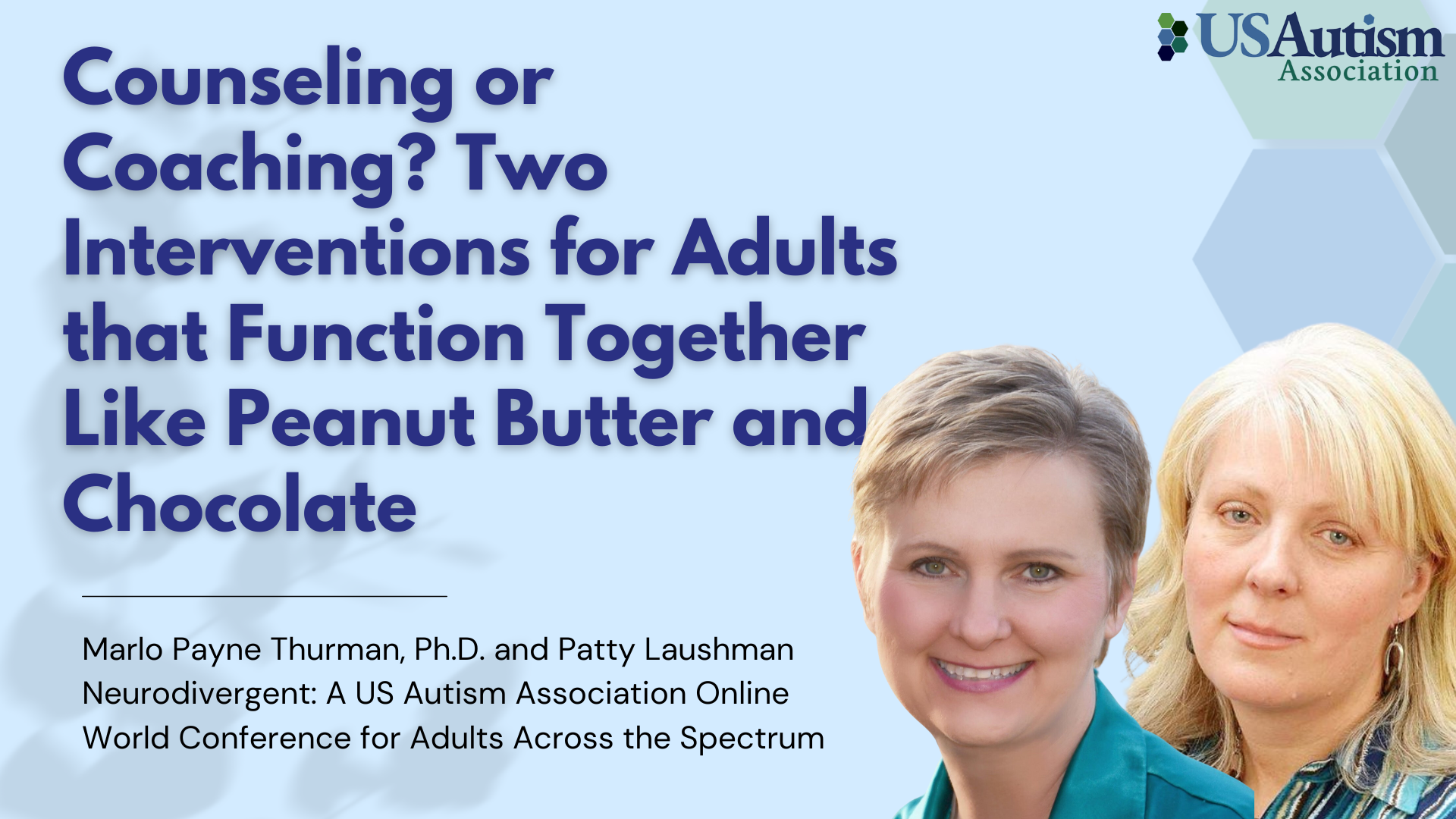
Patty Laushman, director and head coach at Thrive Autism Coaching, shares advice on supporting and raising autistic teens and young adults. She discusses how to communicate in engaging ways, support in ways that can deepen parent/child relationships, and set boundaries that support your own quality of life.

Do you love or work with someone on the autism spectrum who makes sounds but does not (reliably) use spoken words to communicate? Kate will show you, step by step, how to ignite language lift-off - without pushing or pressuring. If you want help turning sounds into words and single words into two-word phrases, this is for you.

In this session Kara Darling, the clinical administrator for Lighthouse Complex Care, shares her simple and easy to understand roadmap for diagnosing and treating the various medical comorbidities that often occur alongside the autism spectrum.

This session is designed to empower both parents and professionals with the knowledge and tools needed to nutritionally support children on the autism spectrum. This presentation focuses on the intersection of nutrition and sensory needs, providing actionable strategies for improving dietary variety and nutritional intake in a way that respects and accommodates unique sensory preferences.

Continuing into its second season, this Approaches to Autism session features Dr. Stephen Shore and Rob Bernstein in an interview with Dr. Winnie Dunn on the topic of Occupational Therapy. Dr. Dunn is a Distinguished Professor of Occupational Therapy Education and an internationally recognized expert for her studies about sensory processing in everyday life.

When families receive the diagnosis of Autism, they often become engulfed in a sea of unknown variables with no clear guidelines or tangible map. They ask what the future will look like for their family, the parents, the child with autism, the siblings. Relationship based Dynamic Intelligence Program (RDI (TM)) looks at this dilemma from a perspective that families are designed to live their lives together, where they find support for the emotional hills and valleys that are specific to the lives they lead.

This presentation will focus on the challenges facing the Special Rights community within the context of the currently predominant educational paradigm. Particular attention will be paid to ways consumers could tell when a program will lead to developmental growth, and meaningful competitive employment and higher education after graduation.
Browse by Topic
+ Browse By Category
Approaches to Autism - Season 1
Approaches to Autism - Season 2
Approaches to Autism - Season 3
Health and Wellness
Therapies and Interventions
Education and the Classroom
Diversity Across the Spectrum
Legal and Advocacy
Summit: Meltdowns and Neuro-Crashes
Summit: Coming of Age Across the Autism Spectrum
Vintage Videos
Shorts
CEUs
Autism and the Arts
Dr. Temple Grandin Interview
In this once-in-a-lifetime, exclusive interview, Temple Grandin shared with us at the US Autism Association some of her uniquely personal insights and reflections about her life as an adult on the autism spectrum. Recorded in October of 2024 for our online conference Neurodiversity, TempleDon’t miss this opportunity to get a new and more personal insight into the amazingly neurodivergent life and work of Dr. Temple Grandin!
Relationships and Sexuality Across the Autism Spectrum
Experts Wenn Lawson and Wendella Marsh talk openly and without reservation about the very important topic of relationships and sexuality for adults across the autism spectrum. Within a discussion that highlights the importance of self awareness and acceptance, open communication, safety and vulnerability, gender fluidity, and sexual diversity, this session debunks a number of myths and offers useful information and hope for individuals at any stage of their "relationship journey."
Becoming an Autistic Entrepreneur: Marketing & Building Connections to Build Your Own Business
Currently in the U.S 80% of people with autism are unemployed or underemployed. Becoming an entrepreneur can help these individuals enjoy employment as their own boss and to use their unique abilities to impact the world. Professionals and educators will learn to empower people with autism and other disabilities to develop entrepreneur skills. Sandison teaches practical ways to build connections, market a business, and get first on Google. Individuals with autism will learn to use their strengths to accommodate for limitations, find a mentor, strength connections by the ability to delight clients, and pursue new opportunities. During the past 7 years, Ron has spoken live to 250,000 people, published three nationally books, and his nonprofit Spectrum Inclusion receives 10,000 views a month. Sandison shares the knowledge he gained from interviewing autistic entrepreneurs while writing his fourth book Autism, Growth & Transitioning into Adulthood.
The Medical Side of Autism: Recognizing and Treating the Most Common Physical Conditions that Tend to Coexist with Autism
In this session, Dr. Phillip Demio, biomedical physician and US Autism Advisory Board Member shares his wealth of expertise on the topic of the relationship between autism and a number of physical and psychiatric medical conditions. In a discussion that covers gastro-intestinal function, diabetes, seizures, autoimmune disorders, and susceptibility to a host of opportunistic infections and diseases, Dr. DeMio draws useful connections between several medical conditions and "autistic functioning." He then provides recommendations for individuals who either don't feel well physically or find themselves unable to function as well as they would like to due to medical or psychiatric symptoms.
Ron Sandison: An Autistic Man's Personal Journey with Mental Health
In this in-depth, candid, and deeply personal interview with world-renowned autism expert and self-advocate Ron Sandison, Ron shares stories about some of his own mental health challenges with useful understanding and insight for those who struggle. Covering topics that include being bullied and assaulted by peers as a child and teen, to coping with anxiety, depression, addiction,, and even suicidal thoughts as an adult, Ron gives hope and practical advice for addressing mental health in autistic adults.
Supports and Models for Adult Living- Wendela Whitcomb Marsh, MA, RSD
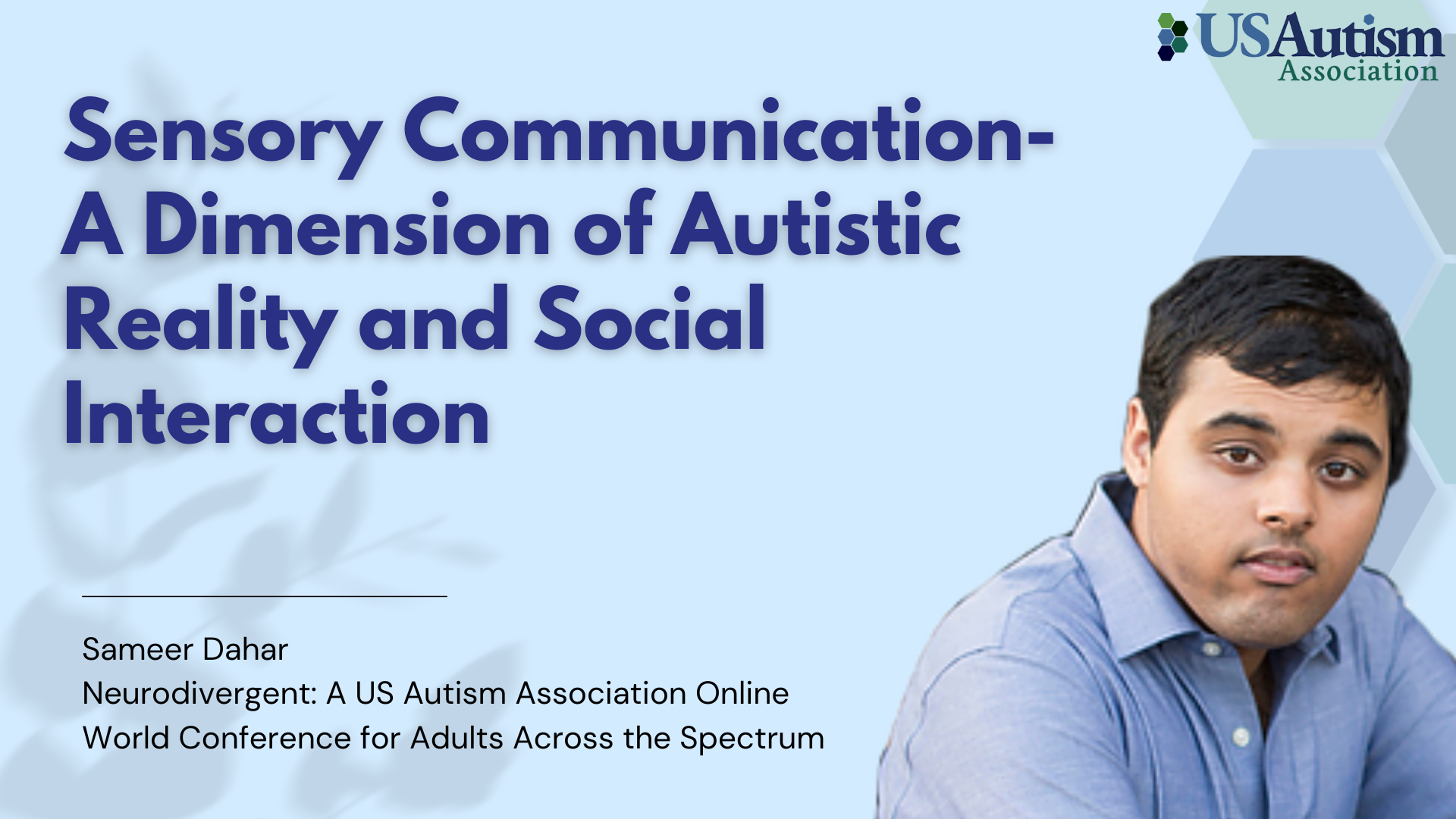
Sensory Communication- A Dimension of Autistic Reality and Social Interaction
Never Say Never: A Story of Not Yet and the Amazing Lessons Learned from Steven
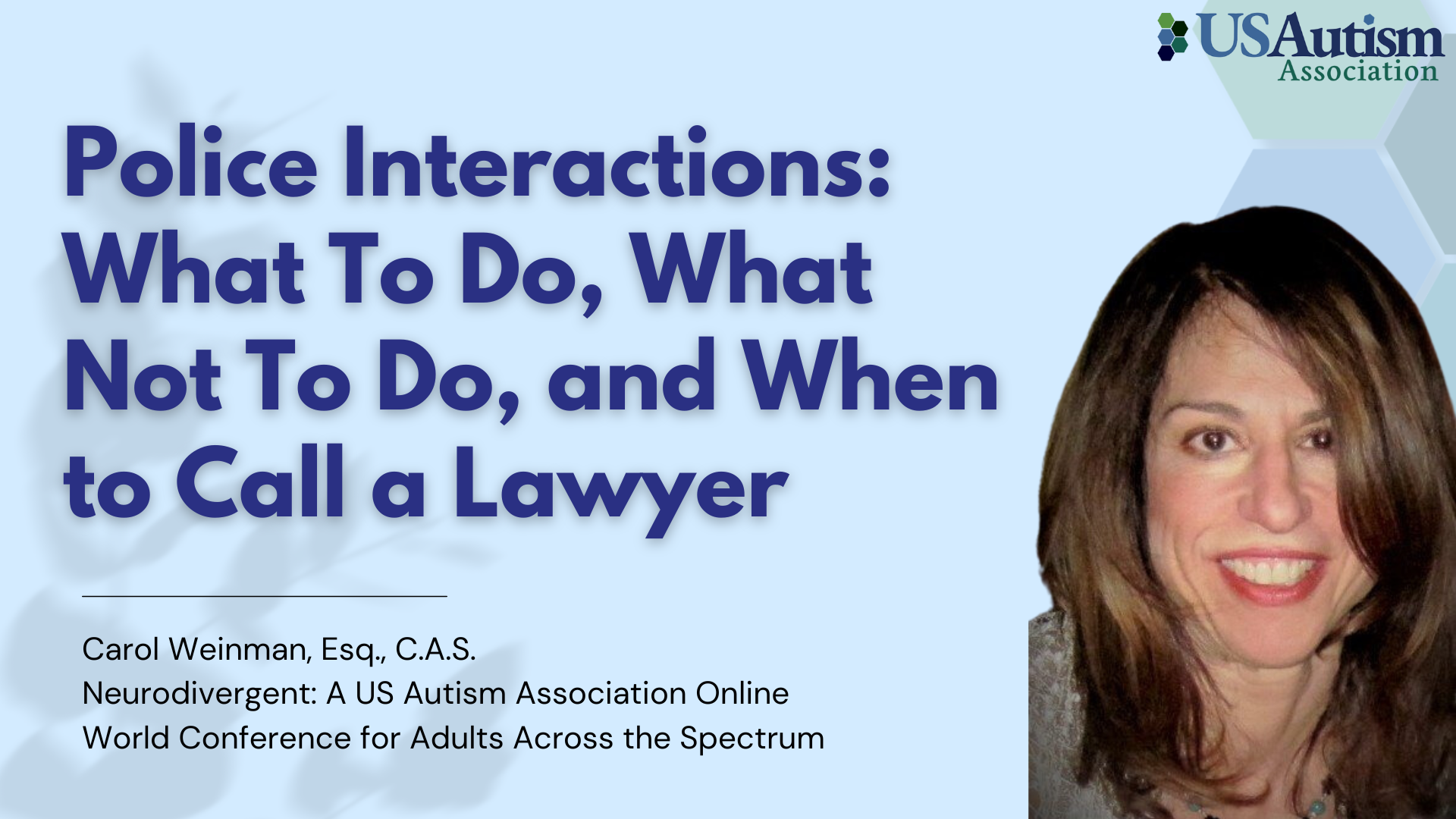
Police Interactions: What To Do, What Not To Do, and When to Call a Lawyer
Vintage Videos

In this video from the 2016 USAAA World Conference, Dr. Phillip C. DeMio talks about how children with autism have to deal with sensory conditions, especially the texture of the foods they eat. He discusses different methods to combat this.

Theodore Henderson, M.D., Ph.D. brings to our annual World Conferences a unique blend of expertise in psychopharmacology, neurobiology, and an understanding of human nature in the practice of psychiatry. In this presentation, he speaks about how psychiatry has let the autism community down.

Today we're premiering a video of The Self-Advocacy Panel at our 2013 World Autism Conference! We'll hear the importance of self-advocacy in the life of a person on the autism spectrum, and self-advocacy methods and techniques used our panelists.

In this video, we're revisiting the Doctors and Researchers Panel at our 2015 World Conference! This panel offers insightful discussion on a variety of topics relevant to people of all ages who are on the autism spectrum.

In this panel discussion, the parents of individuals on the autism spectrum share their experiences and answer difficult questions.

Today we're excited to premiere Nathan Kaplan's Journey, as presented at our 2015 World Conference by Nathan's father, the US Autism Association's founder, Dr. Larry Kaplan. In this excerpt from a larger discussion, Larry tells the inspiring story of Nathan's unexpected success with rock-climbing, and the amazing teacher who was able to help him achieve it.

We're excited to premiere today's video: a presentation by Dr. Temple Grandin on effective ways to help kids all across the autism spectrum! This was a Keynote presentation at the US Autism & Asperger Association World Conference in 2015. We always enjoy her insights and practical take on life with autism.

In this video, we hear a challenging and absolutely inspirational presentation from Sameer Dahar, an Autism Advocate and Author, at the US Autism Association's 2015 World Conference, facilitated by Dr. Marlo Payne Thurman. At only age 15, he prepared this presentation to describe his life and struggles as a non-verbal person with autism - prepare for your expectations and understandings of autism to be STRETCHED!
This #shorts video is an excerpt from James Partington, Ph.D., BCBA's presentation at our 2017 World Conference.

Today's video is an excerpt from Marlo Payne Thurman, Ph.D.'s presentation, "The Continuums of Autism: Cognition, Sensory Processing and Behavior", on September 5, 2014 at our World Conference in Kansas City, Missouri.

Today's video is a throwback to Dr. Phillip C. DeMio's interview at the 2010 US Autism & Aspergers Association World conference.

Today's video is a clip of Temple Grandin, Ph.D., giving her opinion in a panel discussion at our 2016 World Conference.

This video is an excerpt from Dr. John Michael Uszler's presentation, "Functional Imaging of the Brain," at our 2014 World Conference. Here, he discusses SPECT scans, what they can uncover, and how they can be useful for children on the autism spectrum.

Today's video features highlights from the Doctors and Researchers Panel at our 2014 World Autism Conference! Here they discuss the most frequently asked questions associated with medicine, research, and interventions. They review cutting edge medical interventions and treatments as well as cutting edge research, and provide a take away message with regards to their area of specialty in the field of autism.

Today's video features a clip of Stephen Shore, Ed.D., speaking during a Panel Discussion at our 2014 World Autism Conference! He reflects on what brought him success and happiness in his adult years: pinning down a strength and interest.

In today's video, we hear from Dr. Temple Grandin on distractions at our 2013 World Conference. She candidly discusses things that distract her, and some ways to mitigate or remove those distractions in order to maintain focus.

In this 2014 USAAA Conference presentation, Dr. J. Michael Uszler discusses atypical brain function in people with autism and people with other conditions. He focuses on how atypical brain functions work and what they look like, and how they affect individuals.

In this 2014 USAAA Conference presentation, Dr. J. Michael Uszler discusses atypical brain function in people with autism and people with other conditions. He focuses on how atypical brain functions work and what they look like, and how they affect individuals.

Today's Throwback video is an interview with Dr. Stephen Shore at our 2011 World Conference. Here he discusses his experiences, summarizes some key points he plans to present on, and offers advice to parents and to "typical" people interacting with those on the spectrum.
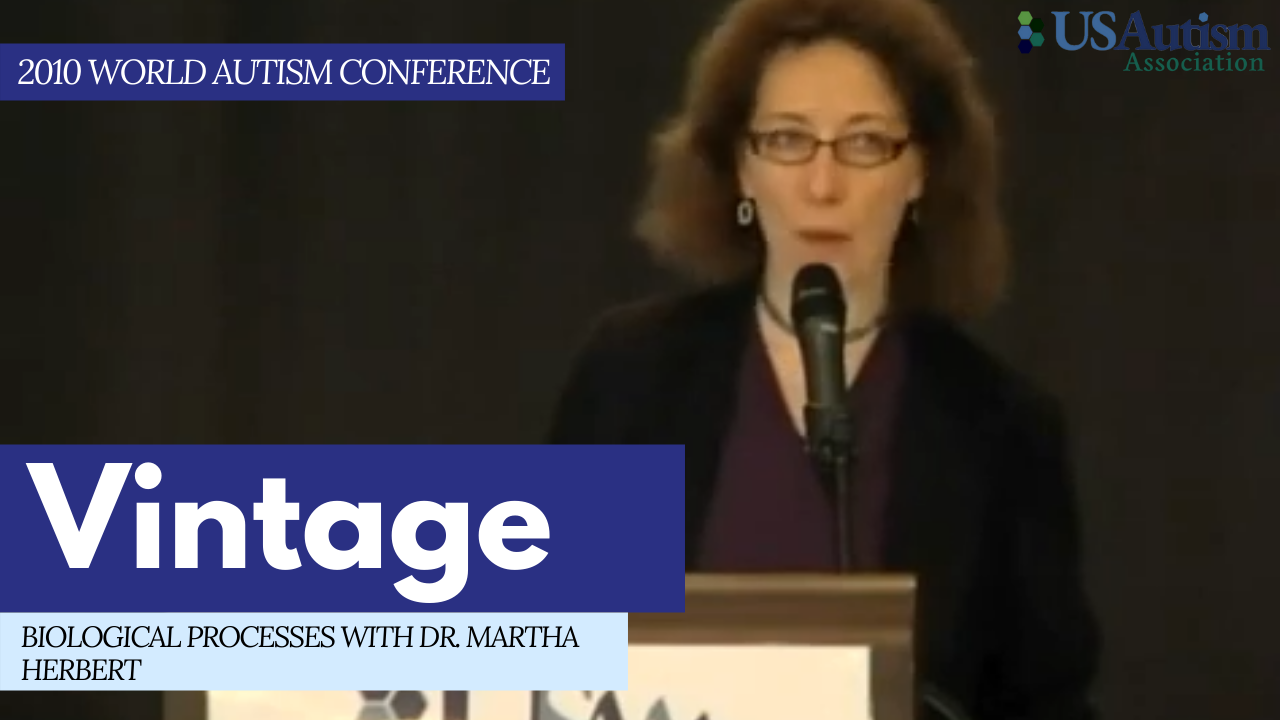
In this clip, we hear Dr. Martha Herbert discuss how autism is affected by natural biological processes, and if there is a treatment for autism.

In this video, Phillip C. DeMio, M.D., discusses autoimmunity in children with autism, and how to avoid gluten contaminations at medical facilities.
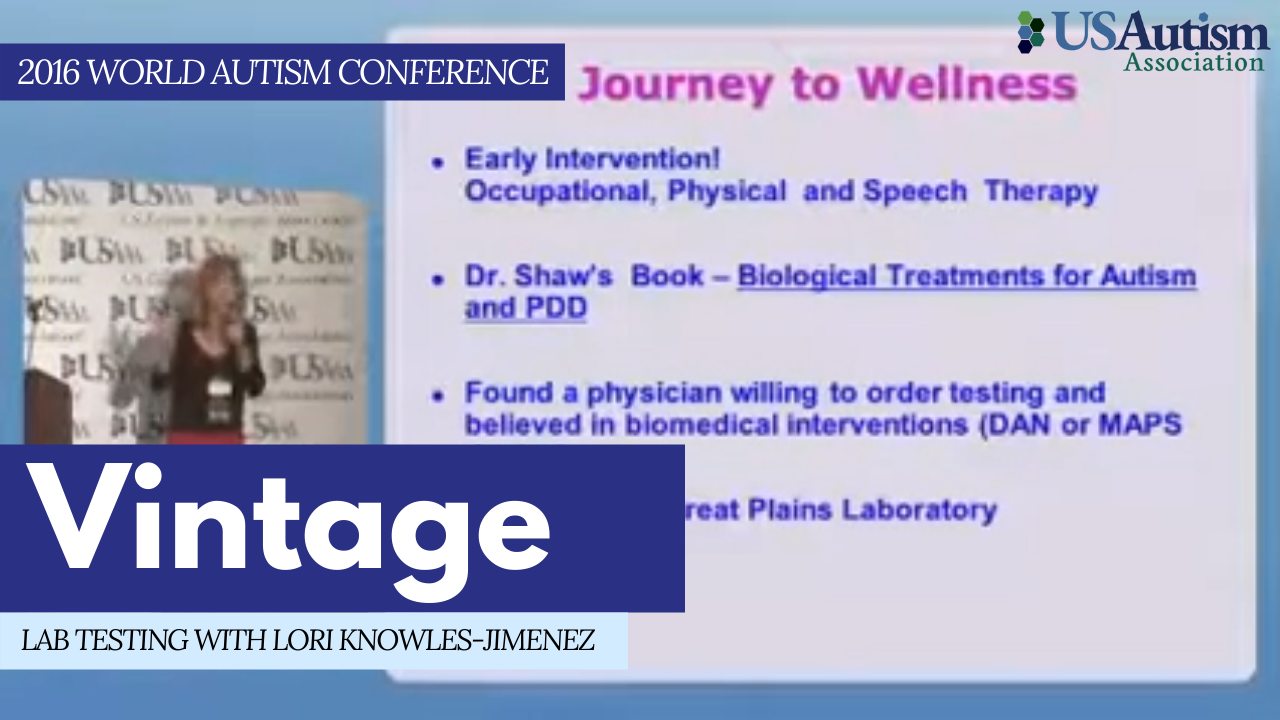
In this video, Lori Knowles-Jimenez explains how lab testing can reveal underlying issues in a child with autism.
By accessing this page and our conference videos you are agreeing to the US Autism Association Conference Code of Conduct in its entirety.
We are actively working to make our videos more widely accessible through You Tube, Any closed captions are generated automatically through YouTube and offered as convenience to our those viewing our videos but The US Autism Association is not responsible for the content of the subtitles generate within that platform.